Exploring how university students can work with communities through field research, cultural documentation, and digital technology to help preserve Tanzania's cultural heritage.
Connecting university students with communities through practical research and cultural documentation.
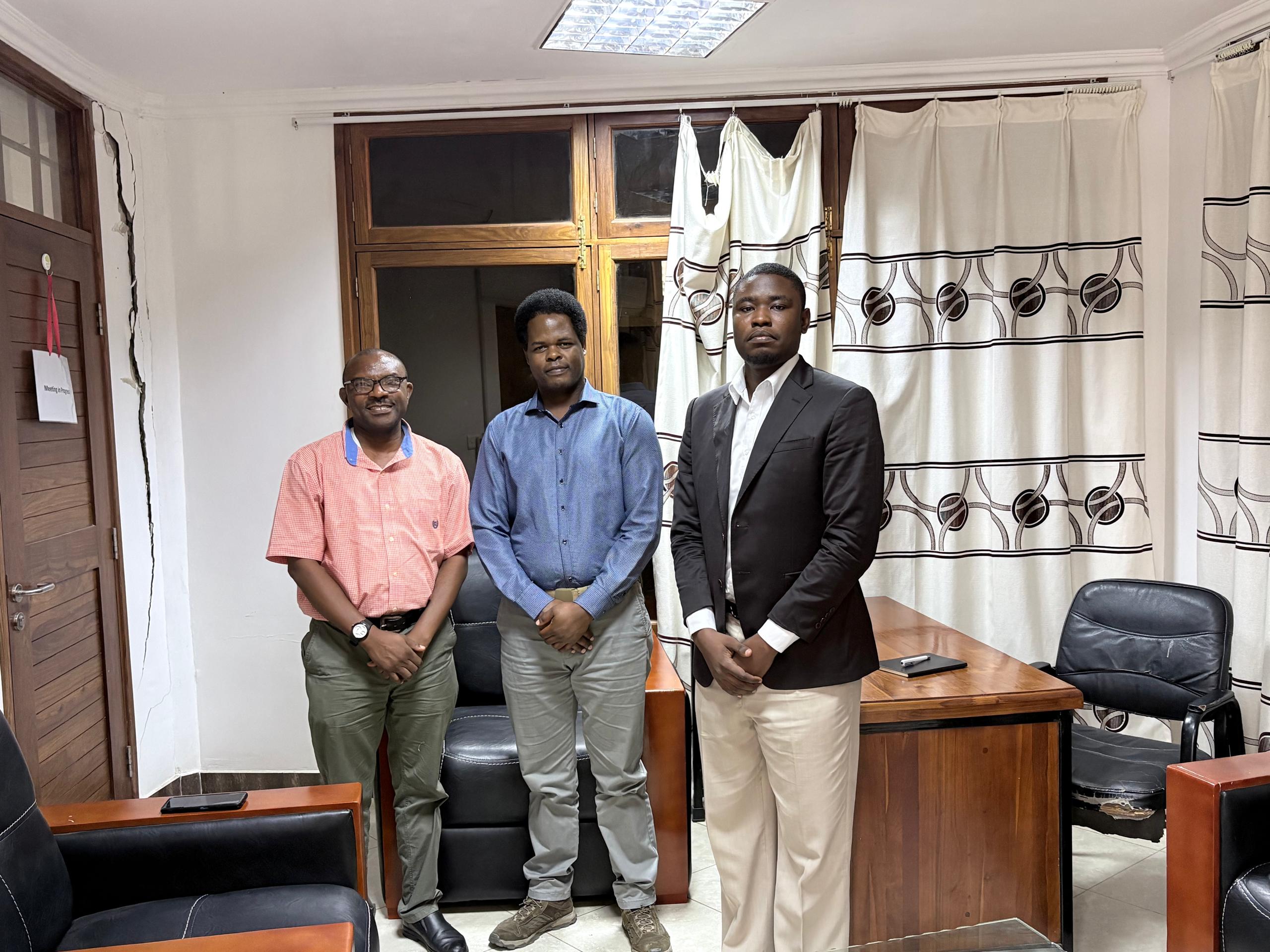
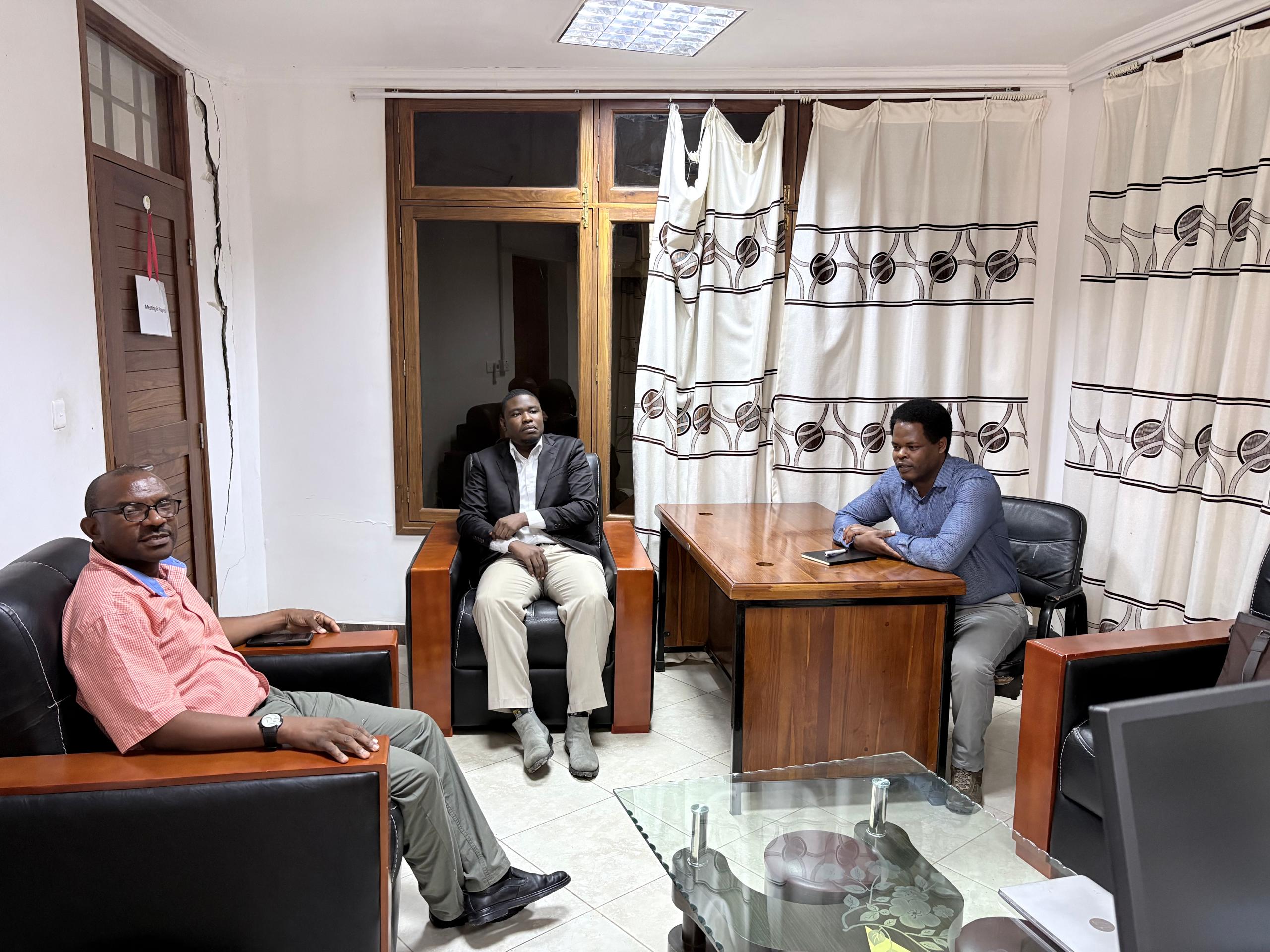
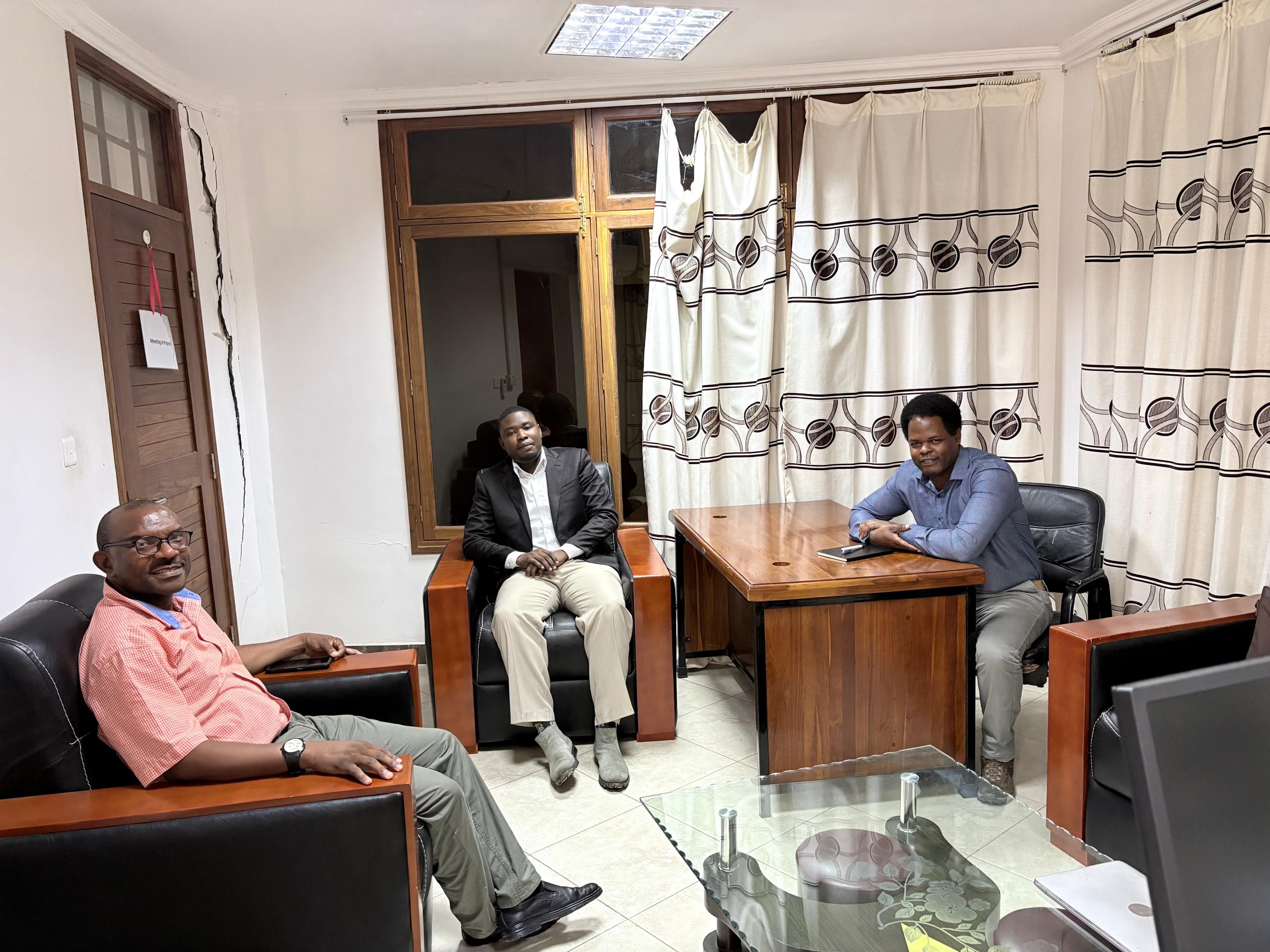
SHIMULIMULI COMPANY LIMITED met with Dr. Michael Karani, Coordinator of the Humanities Research Centre (HRC) at the University of Dar es Salaam (UDSM), to discuss cultural heritage research and possible areas of collaboration.
Our discussion focused on how university students could have valuable opportunities to learn directly from local communities. Through practical fieldwork, students could record oral histories, document cultural traditions, and work alongside local knowledge holders.
This practical research approach would connect classroom learning with real experiences in Tanzanian communities. At the same time, modern digital documentation and archiving methods could preserve these valuable research materials for future study and public learning.
Note: These activities represent constructive ideas for future exploration rather than an approved university program or confirmed partnership.
How students could participate directly in field research and learn from elders, cultural practitioners, artisans, and other community knowledge holders across Tanzania.
How interviews, photography, audio recordings, and field observations could help students gain hands-on research experience and bridge academic study with real community life.
The vital importance of engaging communities respectfully, securing free and informed consent, recognizing local knowledge holders, and safeguarding community interests in how cultural information is preserved and shared.
How SHIMULIMULI COMPANY LIMITED could contribute its technical experience in media production, digital archiving, and web platforms to host and present approved research materials for broader public access.
The proposal to link student learning with community-based field research directly aligns with the core business and priorities outlined in UDSM's Vision 2061 and its Corporate Strategic Plan 2024–2033.
Enriching student education by complementing academic theory with practical field experience and direct community engagement.
Gathering firsthand cultural data and oral histories to address real societal knowledge needs and support academic scholarship.
Creating a dialogue where university research benefits local communities while honoring traditional knowledge holders.
Fostering collaboration between academic institutions, private sector technical organizations, and local communities.
Note on National Frameworks: UDSM Vision 2061 represents the University of Dar es Salaam's institutional roadmap. While it supports national overarching goals such as Tanzania Development Vision 2050, Vision 2061 remains UDSM's distinct academic and institutional guiding framework.
Further discussions could explore practical ways to involve students in community-based cultural research, identify suitable fieldwork activities, establish academic guidance, and work respectfully with participating communities.
Any future implementation will depend on continued dialogue, institutional review, and formal agreements with relevant university representatives and community partners.